What to Pack for Your Blanket Bog Adventure

We've tested everything you could possibly bring on a blanket bog hike. Not just once — repeatedly across different seasons, weather conditions, and fitness levels. Here's what actually works, what you're wasting space on, and the surprising items that make all the difference between a miserable afternoon and a genuinely enjoyable day outdoors.
Footwear: Your Most Important Decision
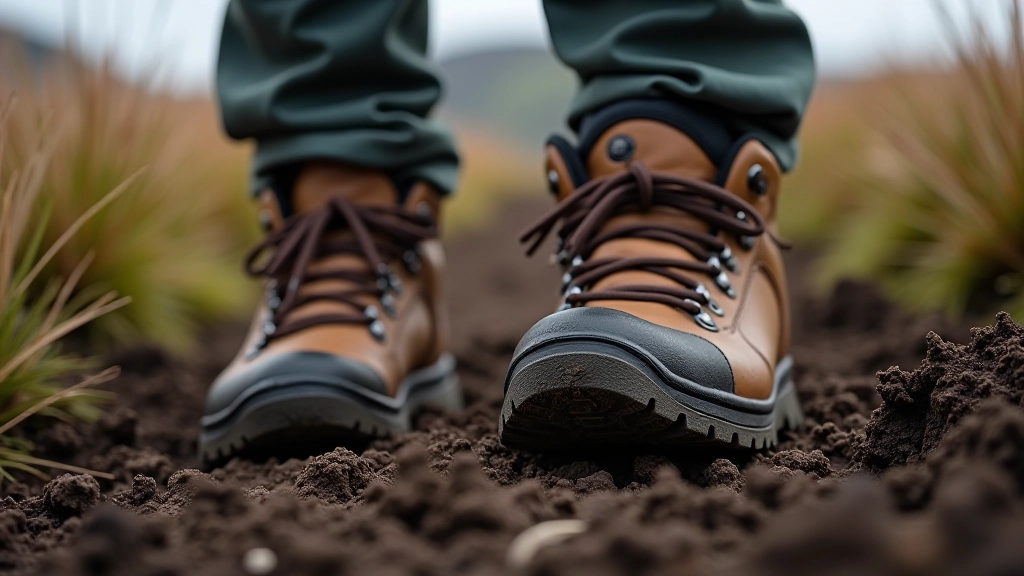
Don't underestimate this. Bog hikes are deceptive — the terrain looks flat from a distance, but you're actually walking on soft, waterlogged ground that shifts beneath your feet. Your shoes need to handle this specific challenge.
Proper waterproof hiking boots with ankle support are essential. We're not talking about stylish hiking shoes that look good in Instagram photos — we mean boots that actually keep water out. Merrell, Salomon, and Scarpa all make solid options in the €120–180 range. They're worth every penny because wet feet lead to blisters, and blisters end your hike before you reach the viewpoint.
Pro tip: Break in your boots at least 3 weeks before attempting the hike. Don't learn this lesson on the trail.
Layers: The System That Actually Works
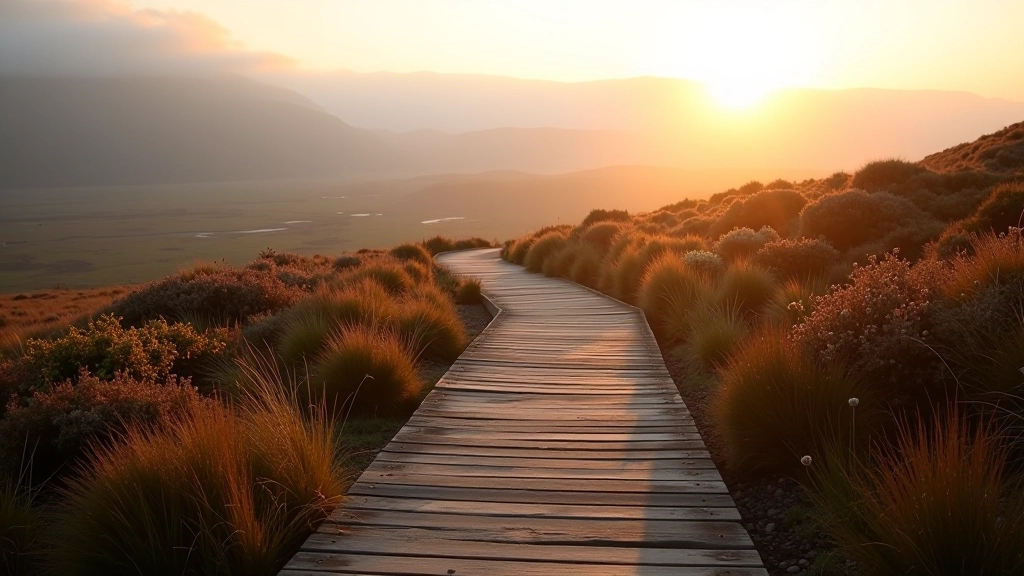
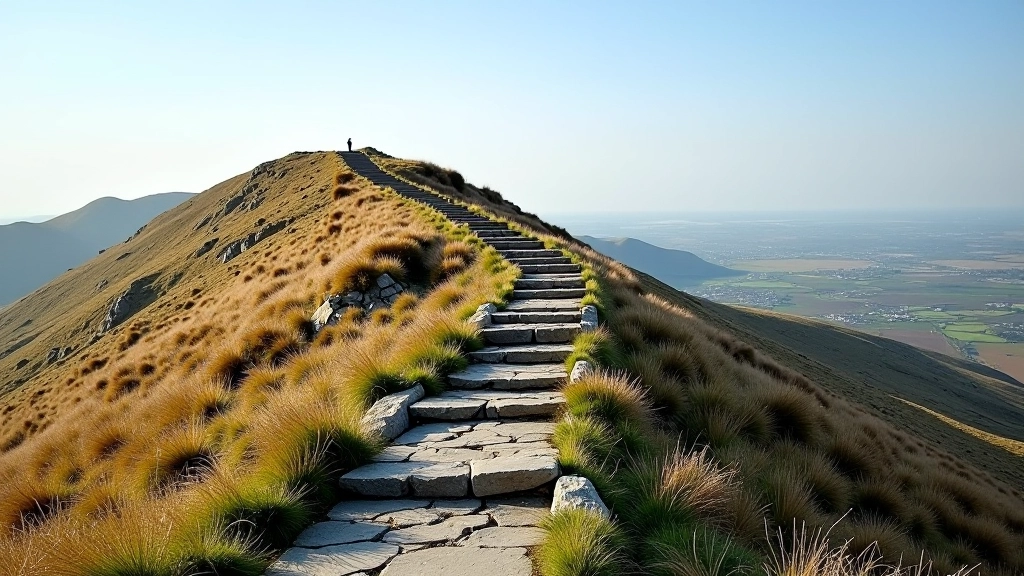
Forget everything you think you know about dressing for the outdoors. Blanket bogs have their own climate — it's exposed, windy, and temperature swings happen fast. You'll be warm while climbing the stairway, then suddenly cold when you're standing at the plateau taking photos.
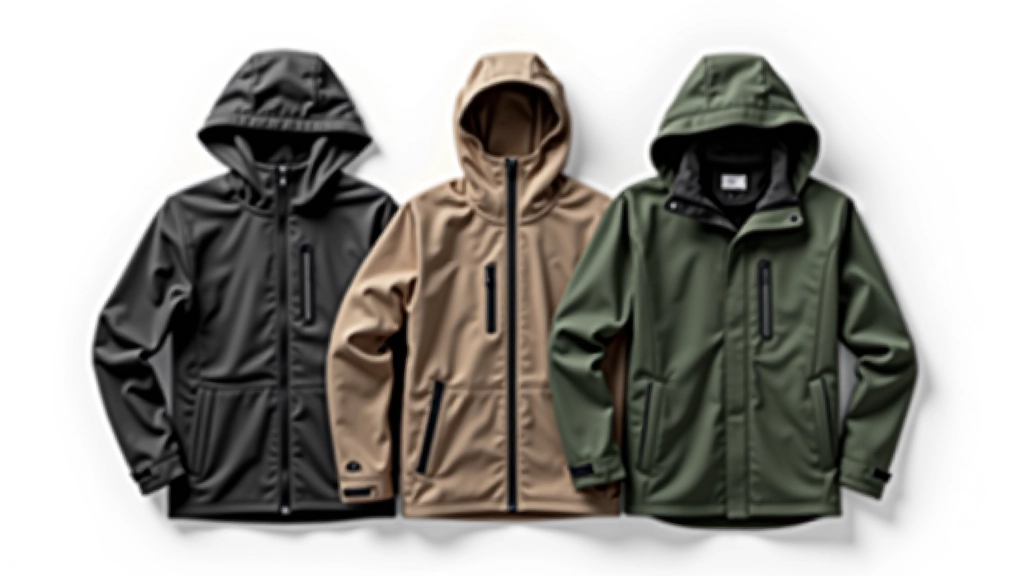
Start with a moisture-wicking base layer. Merino wool or synthetic materials work — cotton doesn't. Add a fleece mid-layer for insulation. Top it with a genuinely waterproof jacket, not a water-resistant one. There's a real difference. Your jacket should have a hood, sealed seams, and pit zips for ventilation when you're exerting yourself. Most people get cold because they're either not layering properly or they're wearing the wrong materials.
Real numbers: Temperature drops roughly 3.5°C for every 300 meters of elevation gain. The plateau sits at 665m, so it's genuinely colder than you'd expect.
The Backpack Essentials That Aren't Obvious
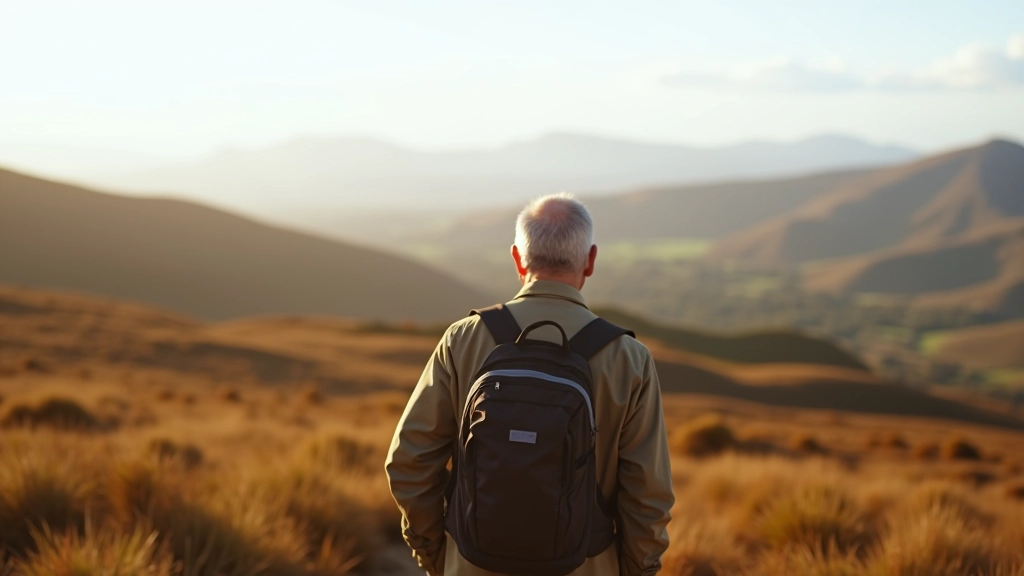
Everyone packs water and snacks. Good. But there's a tier of items that most people either forget or underestimate that genuinely impact your comfort.
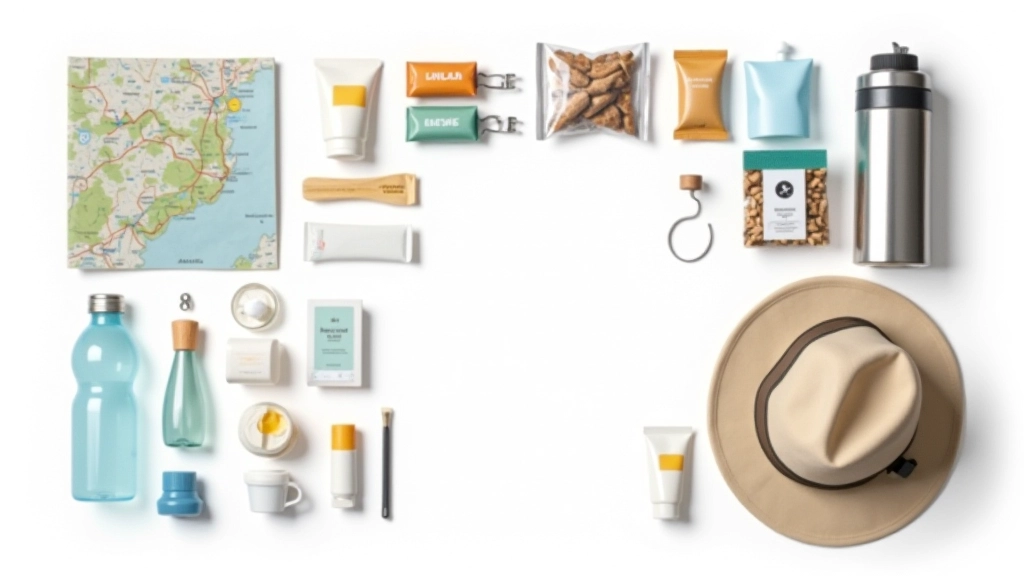
First: sun protection. We're serious about this. At elevation on open bog, there's nowhere to hide from UV rays. Sunscreen (SPF 50+), sunglasses with proper UV protection, and a hat with a brim all matter. Yes, it's Ireland and you're thinking about clouds. Clouds aren't sunscreen. We've seen plenty of hikers with painful burns on plateaus they thought would be overcast.
Second: blister prevention. This is where most people fail. Pack blister prevention tape (Leukotape or Engo) and apply it to areas prone to rubbing before you start hiking. Don't wait until you feel pain. By then, it's too late.
Third: a basic first aid kit. Plasters, antihistamine cream, and pain relief. The boardwalk is maintained, but the terrain is still rough. Minor cuts happen.
What to skip: Heavy camera equipment unless you're genuinely into photography. Your phone camera is fine. Save the weight for water and snacks instead.
Nutrition and Hydration: Timing Matters
You'll need more water than you think. The combination of elevation, open terrain, and exertion means you're losing fluids faster than on a flat walk. Bring at least 1.5 liters, more if you're hiking in summer or if you tend to get thirsty easily.
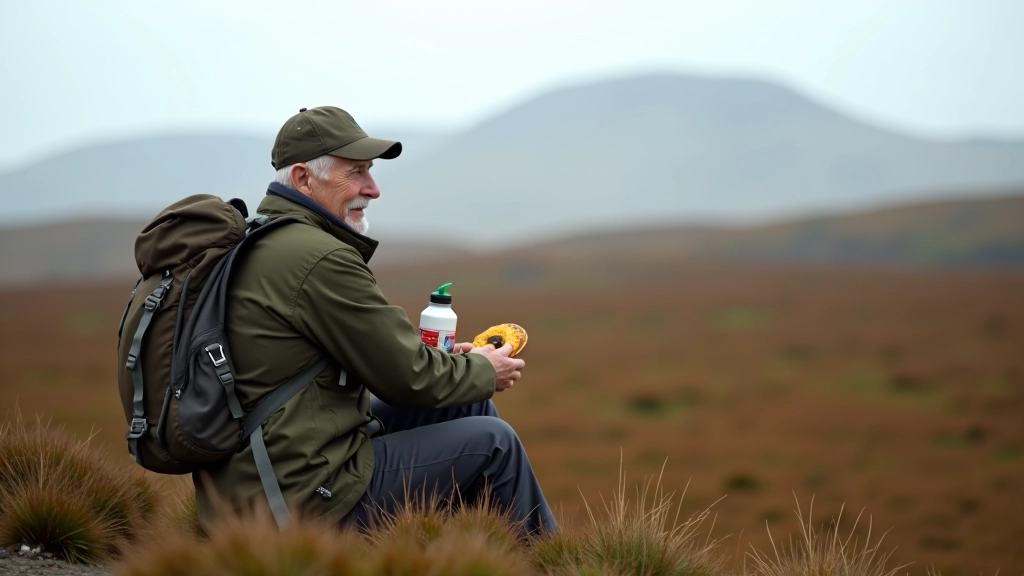
For food, bring items that release energy gradually. A mix of carbohydrates and protein works better than sugary snacks alone. Trail mix, granola bars with nuts, and dried fruit all work. We've found that eating small amounts regularly (every 45 minutes) prevents the energy crashes that make the hike feel harder than it is.
Don't skip breakfast. Seriously. The hike takes 2–3 hours depending on your pace and how long you stay at the top. You're burning energy the whole time. A proper breakfast with protein and complex carbs makes a measurable difference in how you feel during the second half of the walk.
This guide is informational and based on real-world hiking experience. Individual fitness levels, health conditions, and weather patterns vary significantly. Always check weather forecasts before heading out, bring proper equipment suited to current conditions, and consider consulting with a healthcare provider if you have mobility concerns. The Cuilcagh plateau is exposed terrain — preparation genuinely matters for a safe, enjoyable experience.
The Bottom Line
Blanket bog hiking isn't technically difficult. The path is clear, the elevation gain is gradual, and you'll see families of all ages completing this walk. What separates a good experience from a frustrating one is preparation. The right boots prevent blisters. Proper layers keep you comfortable. Sunscreen and hydration prevent the physical misery that makes people regret their choices.
You don't need expensive gear or fancy equipment. You need practical items chosen specifically for bog terrain and exposed plateaus. Pack thoughtfully, test your setup on shorter walks first, and you'll find that the Cuilcagh experience becomes what it's supposed to be — genuinely memorable views without the discomfort.